
Deforestation, Health, Climate
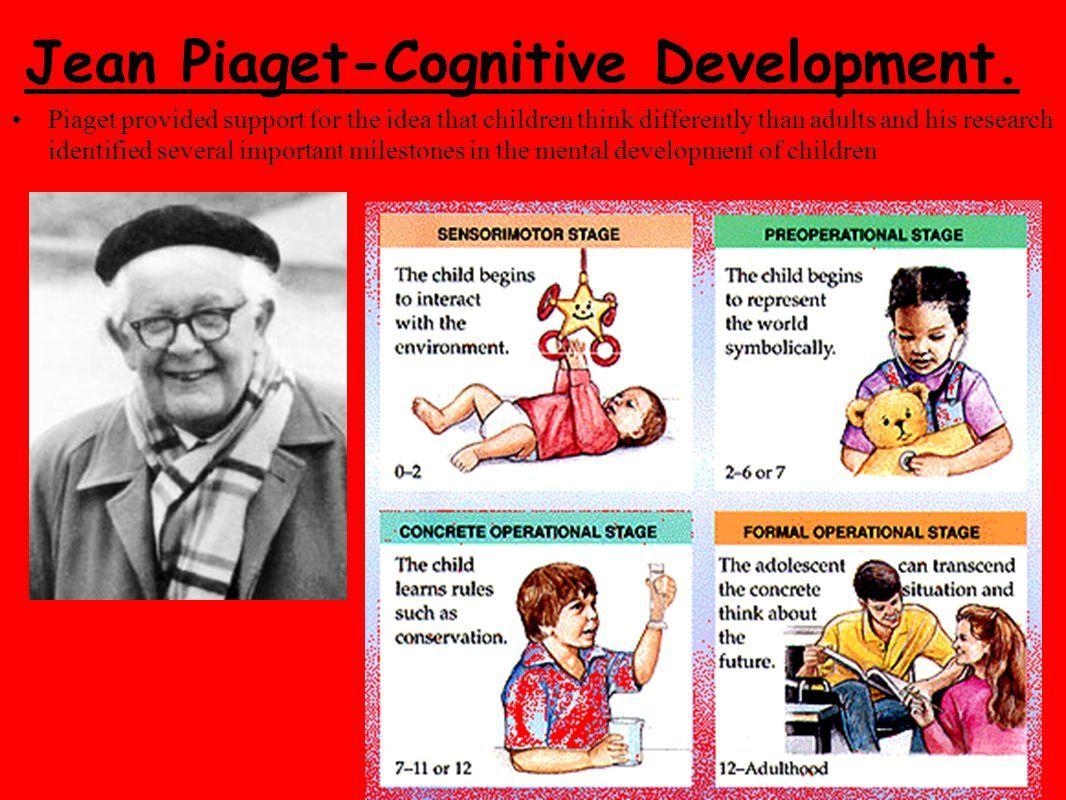
Catching up to changing stove expectations reminds me of human maturation. Babies may only need to laugh to keep parents happy, but as kids grow up the stages of development result in further complications. Happily, meeting the expanding goals of protecting deforestation, health and climate can make stoves increase their abilities without changing an essential character that continues to please the cook.
Designed to protect forests, the initial stove featured increased thermal efficiency.
The health-protecting stove added burning up carbon monoxide (CO) and particulate matter (smoke, especially PM2.5).
Protecting climate matures the same stove as harmful climate forcers are combusted as well (NOx, Black Carbon, VOCs, Methane, etc.). Importantly, attempting to burn 100% renewable biomass can zero out the warming effect of Carbon dioxide (CO2).
In simple terms, a stove loved by cooks can be changed to cook using as little wood as possible, then CO and PM2.5 are combusted and then the previously uncounted gasses and black component in smoke are burned up, too. The biomass fuel should be as renewable as possible to decrease adding CO2 to climate.
The same stove does better and better making stakeholders proud.


Leave a Reply
Want to join the discussion?Feel free to contribute!