
Celebrating 50 years of Aprovecho!
New 2026 Webinar Series
Click each link to RSVP and receive a calendar invitation in your local time zone. Each webinar will include live Q&A.
Upcoming:
RSVP for the final installment of our 3-part series about designing wood, charcoal, and pellet stoves. Each part has focused on a single fuel type, exploring the design principles that make clean stoves, why those principles work, and the pros/cons of each fuel type/stove.
Webinar #8 – Thursday September 24th 8am Pacific – Design principles for Pellet Stoves – Dean Still and Sam Bentson
Visit here to RSVP and add to your calendar: https://addcal.io/e/drov4uaefczl
Previous:
Watch Now: Carbon Financing, Dr. Nordica MacCarty
The basics of carbon financing – how it works and the details of the sample sizes and measurement requirements of the new CLEAR methodology.
Watch the recorded Webinar here: https://youtu.be/FbfieX-zeZQ?si=YnYsQ9brshOoFMDj and access the slides here
Watch Now: Field Testing, Jaden Berger
An overview of the various field tests for cook stoves, what they measure, and when to implement them.
Watch the recorded Webinar here: https://www.youtube.com/watch?v=e5s3ZsitTY4 and access the slides here
Watch Now: Stove Design, Sam Bentson
Current test results from new stove design work at Aprovecho on charcoal stoves, rocket stoves, and TLUDs and how they are made.
Watch the recorded webinar here: https://www.youtube.com/watch?v=sCNYfyGmShw and access the slides here
Watch Now: Emissions Testing, Travis Volpe
An overview of emissions testing methods and equipment.
Watch the recorded webinar here: https://youtu.be/zZaXiyfJrc8 and access the slides here
Watch Now: How to Understand and Check your Data, Jaden Berger
A comprehensive explanation of the underlying calculations used to convert raw data to ISO tiers. Includes discussion on what values to check, what it means when those values are off, and how to fix them.
Watch the recorded webinar here: https://youtu.be/O503HY-nQ_s and access the slides here
Watch Now: Design principles for Wood Stoves, Dean Still and Sam Bentson
Many factors determine the efficiency and usability of wood burning cookstoves. Dean and Sam explain principles of heat transfer, fuel metering, and other factors that can be changed to improve stove performance.
Watch the recorded webinar here: https://youtu.be/pcFh2jdvZ_A and access the slides here
Watch Now: Design principles for Charcoal Stoves – Dean Still and Sam Bentson
Dean and Sam present the pros and cons of charcoal burning cookstoves, and explain design principles that can be used to improve performance.
Watch the recorded webinar here:https://youtu.be/sEDNXgSSJAE and access the slides here
Established in 1976 as Aprovecho, Aprovecho Research Center (ARC), a 501(c) 3 nonprofit organization, helps to build capacity in organizations around the world by providing biomass cooking and heating stove design training paired with high quality lab and field testing capabilities so local actors can test and improve their wood burning cooking stove designs and programs. We specialize in iterative experimental design of cooking and heating stoves through rapid prototyping and emissions and efficiency measurements with the ultimate goal of improving health and slowing climate change.
We’re best known for bringing some of the most impactful and open-source technologies in clean cooking to the world: first the Lorena stove in the 1980s, then the rocket stove and associated design principles for wood burning cookstoves in the 1990s, the Laboratory Emissions Monitoring Systems in use at 67+ labs and Regional Testing and Knowledge Centers since the 2000s, and now forced air injection combustion systems starting in the 2020s. Let us know how we can support your work with these innovations.
We offer a comprehensive range of biomass cooking and heating design and testing services and tools led by a team of engineers and consultants available to serve on a variety of research, development, and training projects. Please have a look at Our Work and Resources for more information.
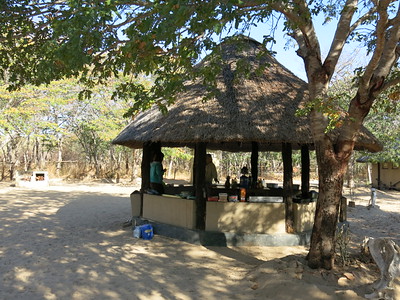
Check out our recent publications from field studies in Africa that support more accurate carbon accounting to increase investment in clean cooking projects!
**** Free download here until February 26th, 2026: https://authors.elsevier.com/a/1mP5N_LtqvE0ND
AND
